

Your wedding day is one of the biggest milestones of your life, and while it is filled with love and celebration, it can also feel overwhelming when it comes to timing. Between hair and makeup, the ceremony, family photos, portraits, speeches, and dancing, it can feel like there are a hundred things that need to fit into a single day. The truth is, the schedule can either make or break how you experience your wedding.
That is why creating a well-planned wedding photography timeline is one of the most important steps you can take to ensure your day runs smoothly. A clear timeline means you can be fully present, soak up the joy of your wedding, and still have all the beautiful photographs you have been dreaming of.
In this guide, I will share everything you need to know about building the perfect wedding photography timeline, including sample structures, tips from behind the lens, and ways to avoid common mistakes.
Why a Photography Timeline Matters
It might be tempting to think that photography will just “fit in” around the day, but the reality is that almost everything you do at a wedding involves the camera. Without a thoughtful plan, you run the risk of feeling rushed, missing golden moments of light, or even skipping photos you really wanted.
A good photography timeline ensures that:
- You get all the key shots without feeling overwhelmed.
- There is enough buffer time so the day never feels like a race.
- Lighting is considered at the best times of day.
- Everyone knows where they need to be and when.
- You can focus on being present rather than worrying about what is next.
Think of the timeline as a roadmap that gives structure but also leaves space for real, candid moments to happen naturally.
When to Start Planning Your Photography Timeline
The best time to start planning your wedding photography timeline is about six months before your wedding day, once you have secured your venue and ceremony start time. From there, I usually work with couples to refine the timeline as other vendors are booked, such as the makeup artist, hair stylist, and celebrant.
By the time your wedding day arrives, the timeline should feel clear and easy, with space built in for things to flow naturally.
Key Elements of a Wedding Photography Timeline
Let’s break down the major elements that go into creating a photography timeline.
1. Getting Ready Photos
The morning sets the tone for the whole day. I usually recommend at least 1.5 to 2 hours for getting ready photos. This allows time to capture:
- Hair and makeup details.
- The dress or suit hanging before it is worn.
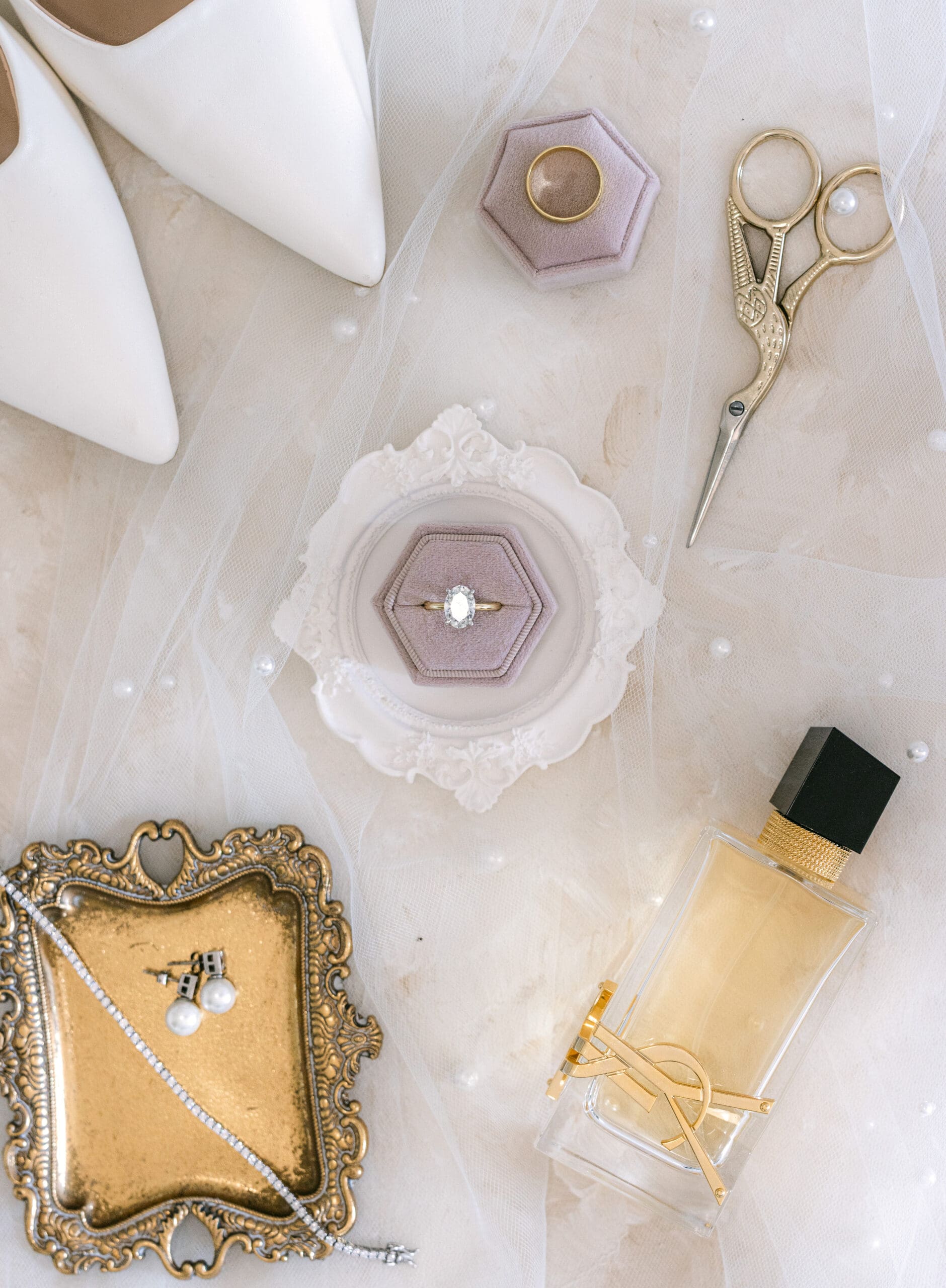
- Accessories such as shoes, jewellery, perfume, or cufflinks.
- Candid laughter with your bridal party.
- Emotional moments with parents or family.
If you want flat lays or styled detail shots (like invitations or rings), factor in extra time for these too.
2. First Look (Optional)
If you decide to do a first look, allow at least 20 to 30 minutes. This includes the setup, the moment itself, and a few relaxed portraits afterwards. A first look can relieve pressure before the ceremony and allows for more time together in the daylight.
3. The Ceremony
Ceremonies vary, but most run between 20 to 40 minutes. I always recommend allowing extra buffer time after the ceremony to capture hugs, confetti tosses, and candid moments before diving into formal portraits.
4. Family Formals
Family photos can easily become one of the most stressful parts of the day if not planned well. To make this smooth, create a list of groupings beforehand. I recommend allowing about 2 minutes per photo grouping. For 10 combinations, that means about 20 minutes.
5. Couple Portraits
Your portraits as newlyweds are some of the most meaningful images of the day. The best time for portraits is often during golden hour (the hour before sunset), but I also like to take a few immediately after the ceremony while the emotions are fresh. Plan for at least 30 minutes, or 45 if you want multiple locations.
6. Bridal Party Photos
These can be quick and fun if well organised. I recommend 20 to 30 minutes, depending on the size of the group.
7. The Reception
The reception is full of moments to capture, from entrances and speeches to the first dance and cake cutting. While you do not need a strict timeline for every single toast, it helps to know the approximate order so nothing gets missed.
Sample Wedding Photography Timelines
Here are a few sample timelines to give you an idea of how things can flow.
Traditional Afternoon Ceremony
- 12:00 pm – Photographer arrives for getting ready photos.
- 2:00 pm – First look and couple portraits.
- 2:45 pm – Bridal party photos.
- 3:30 pm – Ceremony begins.
- 4:15 pm – Family formals.
- 5:00 pm – Cocktail hour and candid guest shots.
- 6:00 pm – Reception entrance.
- 7:30 pm – Speeches.
- 8:30 pm – Cake cutting.
- 9:00 pm – First dance.
- 9:30 pm – Dance floor photos.
Late Afternoon Ceremony with Golden Hour Portraits
- 1:00 pm – Getting ready photos.
- 3:30 pm – Ceremony begins.
- 4:15 pm – Family formals.
- 4:45 pm – Cocktail hour.
- 5:30 pm – Bridal party photos.
- 6:00 pm – Couple portraits in golden hour light.
- 7:00 pm – Reception begins.
- 7:30 pm – Speeches.
- 8:00 pm – First dance.
Short and Intimate Wedding
- 2:00 pm – Photographer arrives.
- 2:30 pm – Ceremony begins.
- 3:00 pm – Family and couple portraits.
- 4:00 pm – Guests mingle with champagne.
- 5:00 pm – Reception dinner.
- 7:00 pm – Cake cutting and first dance.
- 8:00 pm – Photographer departs.
Tips for Building Your Timeline
- Talk to Your Photographer Early
Your photographer knows how long photos really take, so include them in planning from the start. - Consider Lighting
Photos look best in natural light. Aim for portraits in the late afternoon or evening light if possible. - Add Buffer Time
Things always run late, so add an extra 10 to 15 minutes between major events. - Communicate with Vendors
Share the timeline with your celebrant, planner, and makeup artist so everyone is on the same page. - Keep Family Photos Simple
Prioritise the most important groupings. Too many combinations can eat into your reception time.
Mistakes to Avoid
- Starting hair and makeup too late. This is one of the most common reasons couples run behind schedule.
- Not accounting for travel. If you are moving between locations, factor in extra time for traffic.
- Overpacking the timeline. Too many formal photos can leave you exhausted. Keep space for candid moments.
- Not sharing the list. If your family does not know they are in photos, it can take ages to round everyone up.
Why a Thoughtful Timeline Helps You Enjoy Your Day
At the end of the day, the purpose of a wedding timeline is not to make things rigid, but to create a sense of calm. When you know that every part of your day has been thought through, you are free to relax and actually enjoy it.
Couples often tell me they were surprised at how relaxed they felt because they did not have to worry about the photos. They trusted me to guide the timeline, and that freed them to focus on each other.



+ COMMENTS
add a comment